Superior Insulation Contractors of Toronto: Insulation Contractors in Toronto, ON
We insulate attics, garages and crawl spaces in houses, rentals and small commercial spaces across west Toronto and York.
- Serving Toronto & 16 neighbourhoods
- Open 24 hours
The work we take on
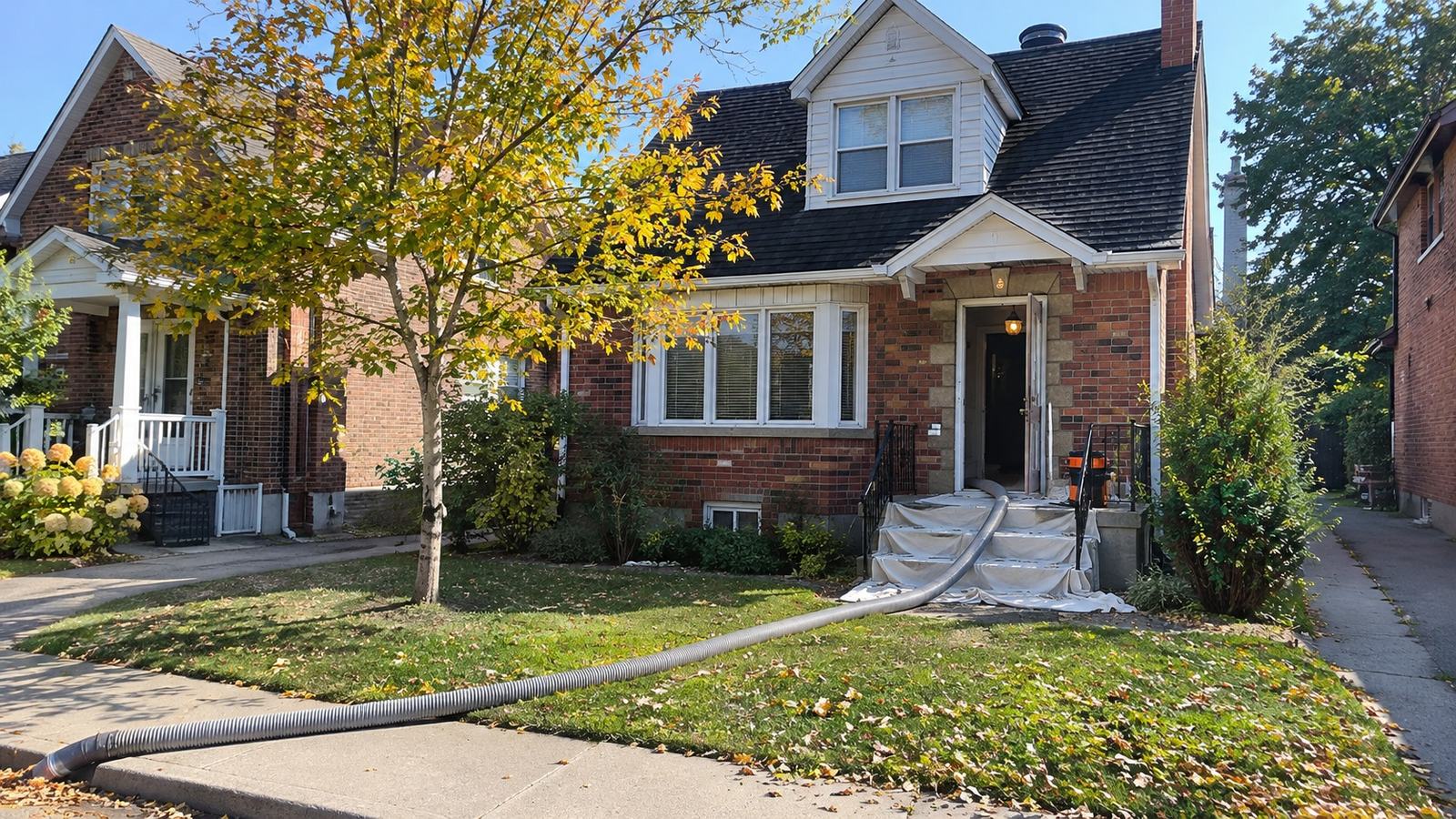
Superior Insulation Contractors of Toronto is a team of insulation contractors in Toronto. We do blown-in insulation (cellulose included), attic insulation, spray foam, insulation removal, garage insulation and crawl space insulation. We look at the space first, talk you through the options, then give you a firm quote.
The job
How an insulation job goes in Toronto
Every job runs in the same order. Sealing always comes before insulation.
Look at the space
We measure the depth that's already there and check for moisture, animal damage and vermiculite. We also note where air is leaking and how the attic breathes.
Seal and prep
We cover the floors from the door to the work area. Then we seal the top plates, stacks, wiring holes and hatch, and put baffles in at the eaves.
Insulate and walk through
The material goes in to the depth on the quote. We clean up, then show you the depth rulers and the finished work before we leave.
On the job
What the work looks like
About us
About our insulation crew in west Toronto
We're a working insulation crew. We insulate houses, rentals and small commercial spaces in Mount Dennis, Weston, Keelesdale, Silverthorn, the Junction and the rest of west Toronto and York.
We spray foam on block walls, rim joists and unit ceilings. We insulate attics in wartime and post-war bungalows, and we do basements and crawl spaces. When the insulation is in, we hang and finish the drywall ourselves, so you aren't left waiting on a second trade.
- We look at the space first. The depth already there, any moisture, signs of animals and open air leaks all decide the material. We check them in person before we put a number on paper.
- We seal before we insulate. We close the top plates, plumbing stacks, wiring holes and attic hatch first. Otherwise moving air carries heat straight past the new insulation.
- We tell you what the space needs. If a top-up is enough, we say so. If the old insulation has to come out first, we show you why before it goes on the quote.
What our crew does, service by service
Superior Insulation Contractors of Toronto works across west Toronto and York. Each service below has its own page with more detail. Every job starts the same way, with us looking at the space before we write a quote.
Blown-in and cellulose
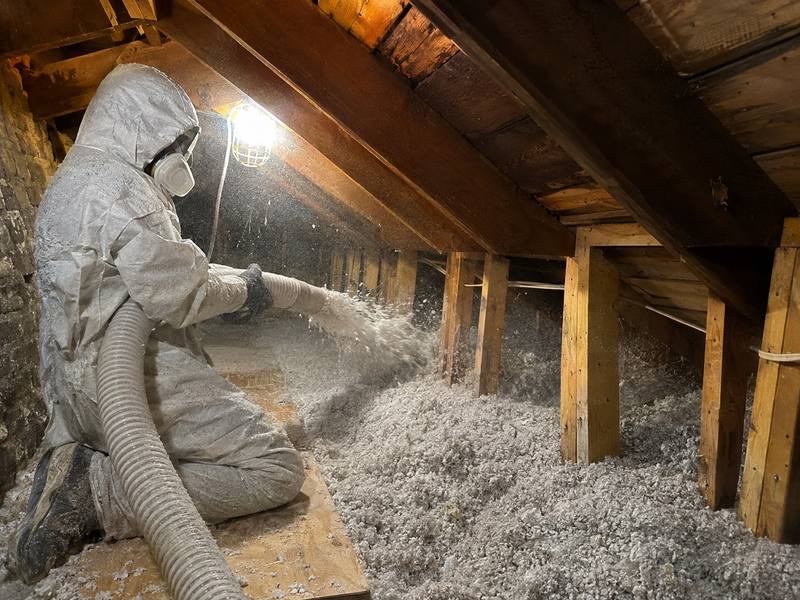
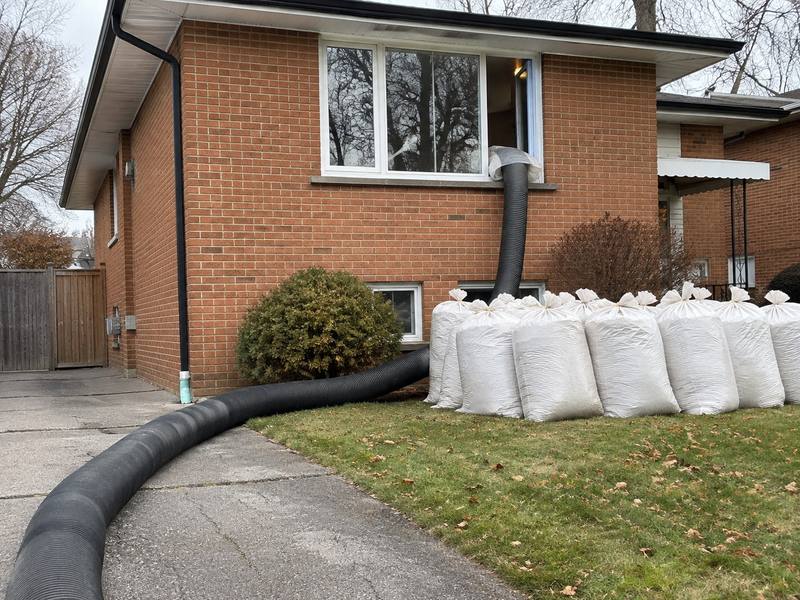
We blow loose fibreglass or cellulose through a hose from the truck, onto an attic floor. Blown-in insulation fills in around wiring and odd framing, where batts tend to leave gaps.
Attic insulation
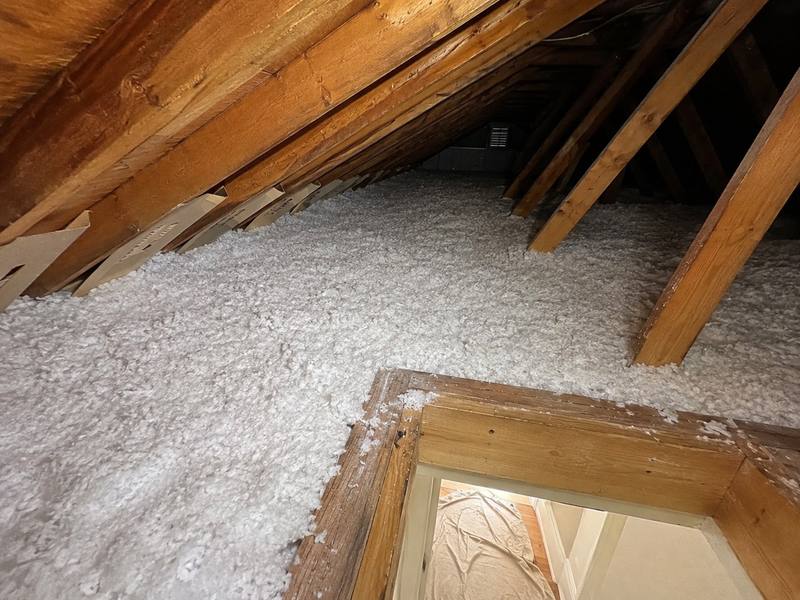
We seal the attic floor, set baffles at the eaves and bring the insulation up to the depth on the quote. Top-ups and full re-insulation are both on our attic insulation page.
Spray foam
We spray foam on block walls, rim joists and unit ceilings, where one layer does the sealing and the insulating. The spray foam page explains open cell and closed cell and where each one belongs.
Insulation removal
Old, wet or rodent-damaged insulation comes out before anything new goes in. Our insulation removal page explains how we bag it, vacuum out what's left and get the space ready.
Garages
We insulate garage walls and ceilings, including a ceiling with a room above it. The garage insulation page covers which material suits a heated garage and which suits an unheated one.
Crawl spaces
A crawl space with bare walls and open rim joists loses heat through both, whether it's under the house or under an addition. Our crawl space insulation page explains how we seal and insulate them.
Topping up an attic with blown-in insulation
A top-up means adding blown fibreglass or cellulose over a sealed attic floor until it reaches the depth on the quote. Our crew does attic insulation in wartime and post-war bungalows. If yours has a thin or patchy layer that's still dry, a top-up may be all it needs.
Before any material goes in, we seal the attic floor and staple baffles between the rafters at the eaves. The baffles stop insulation spilling into the soffits, so outside air can still move through the attic. Cellulose insulation and blown fibreglass both work here. Which one we use depends on what's already up there and how much room there is.
If the attic hatch is in a closet or hallway ceiling, we weatherstrip it and fix insulation to the back of the lid. A hatch that isn't sealed leaks like any other open gap.
We staple depth rulers to the joists across the attic. Once we're done, you or anyone else can look in through the hatch and read the depth.
Spray foam where nothing else seals the gap
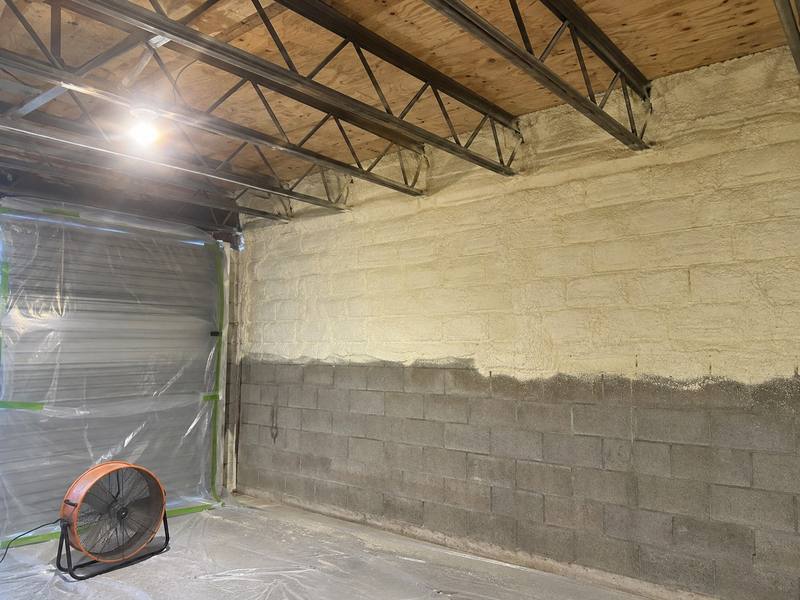
Spray foam is the right material when air has to be stopped and the space is too tight or awkward for anything else. We spray it on basement block walls, on rim joists where the floor framing sits on the foundation, and on unit ceilings between floors.
Foam goes on as a liquid, expands into the cracks and sets hard, so one layer seals and insulates. Closed cell foam is denser and stands up to moisture, which is why we use it on block walls and rim joists. Open cell is lighter and softer, and it's fine on interior surfaces.
Spray foam inside the house needs drywall over it for fire protection. In living space we include the drywall in the job, and we hang and finish it ourselves.
Old insulation: when it comes out first
Wet, flattened or rodent-damaged insulation has to come out before new insulation goes in. Flattened material has lost most of its loft. Wet material can rot the framing underneath. Droppings and nesting stay up there until someone takes them out.
If animals were getting in, a pest-control company needs to deal with them, and with how they got in, before we start. Once they're gone, we bag the old material, vacuum the attic floor and get the space ready for air sealing.
If we find vermiculite, we stop and leave it alone. We recommend having a qualified lab or abatement firm test it before any work goes ahead. Mould on the framing is a job for a mould specialist, and we come back once they've finished.
Air leaks get sealed before insulation goes in
Air sealing is what makes the insulation work. Fibreglass and cellulose slow down heat moving through them, but warm air from the house goes right through loose insulation and takes heat and moisture into the attic with it.
Warm air rising from the rooms below will find every gap in the ceiling. When it reaches the cold roof deck, the moisture in it can condense on the wood. That's why we seal first and insulate after, never the other way round.
So we close the gaps before the hose comes out. These are the spots we seal:
- Top plates, where the walls meet the attic floor
- Plumbing stacks and the holes around them
- Wiring holes and light boxes in the ceiling below
- The attic hatch, which gets weatherstripping and insulation on its lid
- Rim joists in the basement or crawl space, usually with spray foam
Houses, rentals and small commercial spaces
We work for homeowners, landlords and business owners across west Toronto and York. Landlords can book around tenants and business owners around opening hours, so the place keeps running while we're there.
If a tenant lives in the unit, we agree beforehand which rooms we need and when, and we keep the work area closed off and covered. In a shop or office, we fit the noisy, dusty parts around your hours.
When the insulation is in, we hang and finish the drywall. You don't have to book a second trade or wait between the two, and one quote covers both the insulation and the wall or ceiling over it.
What an insulation quote should include
A written quote is the plan for the job. Whoever you hire, make sure it has these lines:
- Each area by name: attic, basement walls, rim joists, garage ceiling, crawl space
- The material for each area: blown fibreglass, cellulose, open cell or closed cell spray foam
- The target R-value or depth for each area
- Air sealing as its own line, with the spots to be sealed
- Baffles at the eaves as their own line
- Removal and disposal of old insulation, if any
- Drywall, hung and finished, if any
- How access, floor protection and cleanup are handled
- What happens if vermiculite turns up
Questions to ask any insulation contractor
Ask these of any house insulation contractors you are thinking of hiring, us included. Put them to any insulation contractor in Toronto before you book:
- Who will be in the house on the day, and is it the same crew that quoted?
- Will someone go up into the attic before giving a quote?
- How will the depth be measured, and will rulers be left so I can check it?
- What gets sealed before the insulation goes in?
- What happens if you find vermiculite, mould or animal damage?
- Who hangs and finishes the drywall, if the job needs it?
What install day looks like
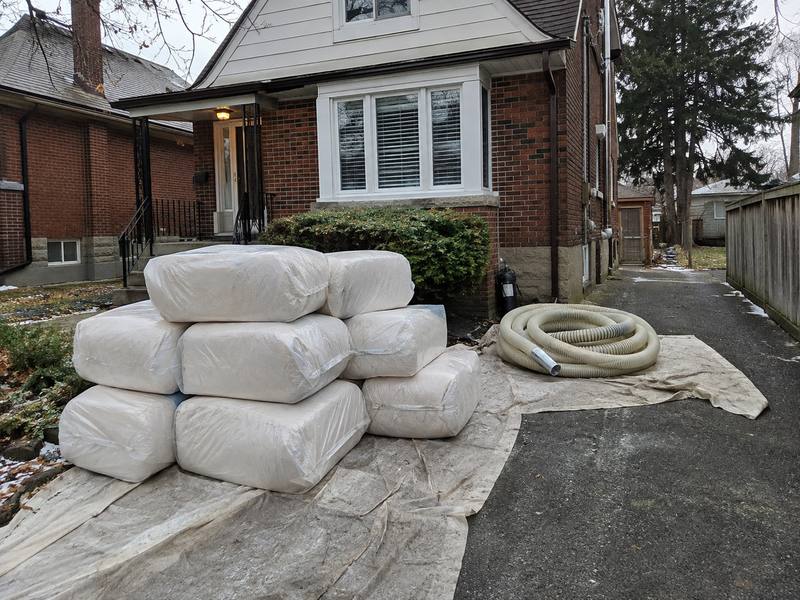
We lay tarps from the front door to the attic hatch and run the hose in from the truck. Sealing comes first, then the baffles at the eaves, then the depth rulers on the joists. The insulation goes in last, and we clean up before we go.
If the job includes removal, we bag the old material and carry it out along the same tarps before anything new goes in. The install day page goes through it step by step.
Rebates and permits
Home Renovation Savings offers rebates for home insulation. Attic insulation is one of the rebates you can get without a home energy assessment. Wall, foundation and exposed-floor insulation and air sealing go through the assessment route, which is for two or more upgrades. Terms apply, and we don't do home energy assessments ourselves. Our insulation rebates page explains how the programme works.
Adding or replacing insulation doesn't need a City of Toronto building permit. The Zoning Bylaw still applies, so check it if the insulation is part of a bigger renovation.
FAQ
Insulation questions from Toronto homeowners
No single material is best for every part of a house. Blown-in fibreglass or cellulose suits an open attic floor, while spray foam suits rim joists, block walls and other spots where you also need to stop air. What's right depends on where it goes, how much room there is and whether the space gets damp. We look at it and explain the options before we quote.
It depends on the size of the attic, the depth already there, whether old insulation has to come out and how much air sealing it needs. Those change from house to house, so we only give a firm quote after we've been up in the attic. Each part of the work gets its own line on the quote.
No, adding or replacing insulation doesn't need a City of Toronto building permit. The Zoning Bylaw still applies to the property, though. If the insulation is part of a bigger renovation, that other work may need its own permit.
Yes, we insulate rentals and small commercial spaces as well as houses. Landlords and business owners can book around tenants and opening hours. We sort out access and cleanup with you before the day.
Yes, we hang and finish the drywall after insulating, so you don't wait on a second trade. Spray foam inside the house needs drywall over it for fire protection, so in living space the drywall is part of the job anyway.
If we find vermiculite, we stop and leave it alone. We recommend having a qualified lab or abatement firm test it before any work goes ahead. We don't remove vermiculite ourselves.
Yes, air sealing always comes first. We close the gaps at top plates, plumbing stacks, wiring holes, the attic hatch and rim joists. Loose insulation slows heat, but it doesn't stop moving air.
If we insulate the attic floor, yes, and the attic keeps its soffit and roof vents. Baffles at the eaves hold the insulation back so air can still come in from the soffits.

Areas
Insulation service areas around Toronto
We cover York and west Toronto neighbourhoods, Weston, Humberlea, High Park, Runnymede and Bathurst Manor among them. Your neighbourhood should be in the list below.

Get a quote
Book an insulation quote in Toronto
Call (437) 563-1402 or send the form. We'll come and look at the space, go over the options with you and give you a firm quote.